The two-day Mumbai conference, organised by IDEX and curated by GAIIA, brought together industry leaders to explore wellness across hospitality, healthcare, design, fitness and technology.
Wellness is increasingly moving beyond individual services to influence how businesses design spaces, develop consumer experiences and approach long-term health. This shift formed the central theme of Wellness Connect 2026, a two-day conference and immersive experience held at Sofitel Mumbai BKC on 22 and 23 November.
Presented by IDEX and curated by GAIIA, the event brought together professionals and thought leaders from hospitality, healthcare, architecture, fitness, technology and the wider wellness ecosystem. Its programme examined how wellbeing is influencing business models, consumer behaviour, hospitality experiences and the design of spaces.
Powered by Xplore Wellness, the conference was structured around two themes: Building Better Wellness Businesses on Day 1 and The Future of Wellbeing on Day 2. Alongside conference sessions, participants experienced practitioner-led activities designed to demonstrate how wellness practices could translate into guest experiences, membership programmes and workplace offerings.
Building Better Wellness Businesses:
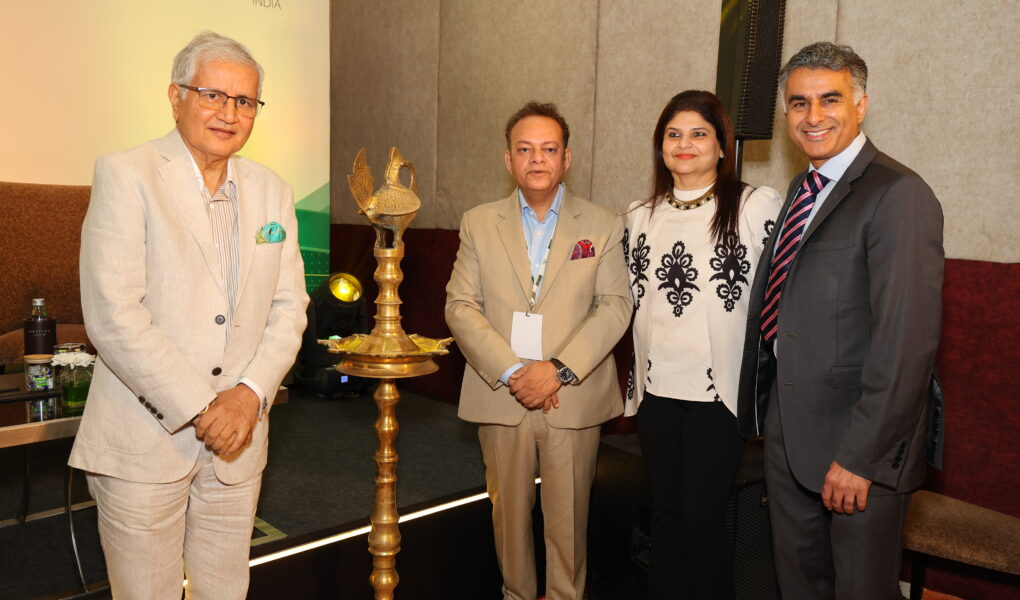
The first day opened with remarks by chief guest Farhat Jamal, Chairman of the Travel, Tourism & Hospitality Committee at the IMC Chamber of Commerce & Industry, Mumbai. The programme also marked the launch of GAIIA – Your Living Wellness Playbook, by Reena Sheth, Founder and Chief Wellness Strategist at GAIIA.
The opening keynote, The Future of Wellness Hospitality in India, was delivered by Samir M.C., CEO of Tamara Leisure Experiences. Discussions throughout the day examined destination wellness, wellness-led architecture and design, and the role of wellbeing in driving revenue, customer loyalty and asset value.
A key session, The ROI of Longevity: What is Actually Worth Investing in, and What Is Not?, brought the business case for longevity into focus. Another discussion, Wellbeing on the Menu – What are we really serving?, explored the relationship between nutrition, fitness and wellbeing.
The Future Of Wellbeing And Technology:
Day 2 opened with The Modern Health Paradox, a keynote by Dr Malhar Ganha, Co-Founder and CIO of Freedom from Diabetes and Freedom from Obesity. The sessions that followed addressed changing consumer expectations and the influence of technology on health and wellbeing.
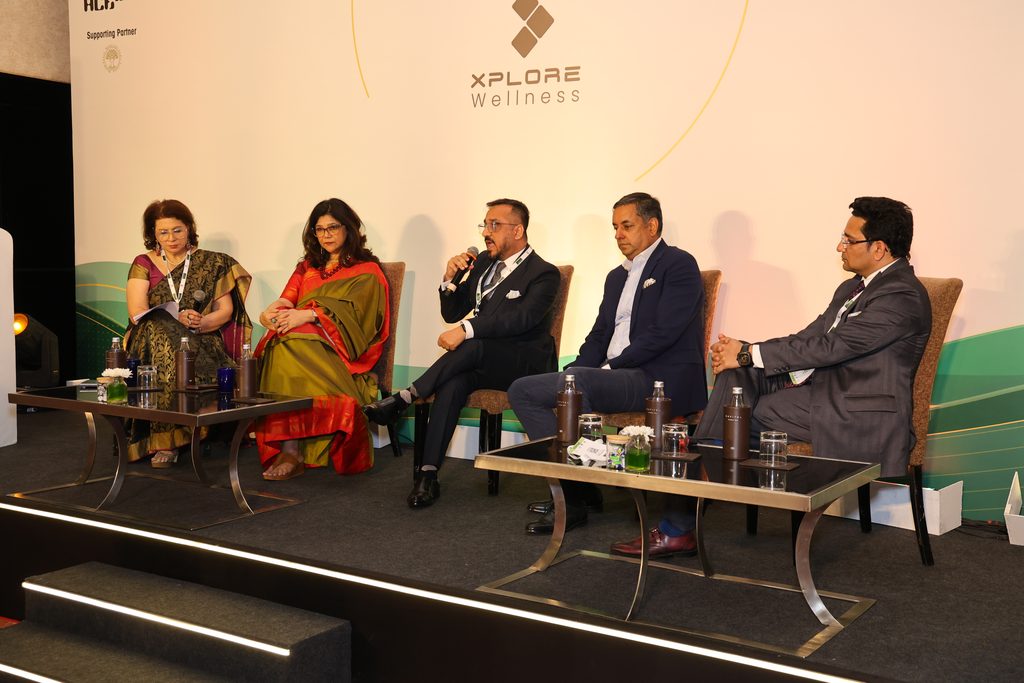
The discussion The Wellness Consumer Has Changed. Have We? brought together perspectives from wellness, fitness, nutrition and longevity businesses. Technology was the focus of another session, Human, Machine & Wellbeing – Will AI & Tech Change How We Live, Age and Heal?, which examined the role of innovation in shaping future approaches to wellbeing.
The afternoon programme returned to longevity and hospitality. Living Better, Longer – The New Rules of Wellbeing explored evolving approaches to health across nutrition, Ayurveda, medicine and aesthetics. Meanwhile, How Wellness is Rewriting Hospitality considered how hotel and hospitality businesses are integrating wellness into their offerings.
Sushmita Sarangi, Commercial Director, J Wellness Circle – IHCL, highlighted the value of bringing brands and industry professionals together. She noted that such platforms encourage businesses to explore how wellbeing can be integrated more meaningfully into hospitality, while creating opportunities for collaboration and new offerings.
Rajiv Kapoor, General Manager, Fairmont Mumbai and Roswyn, pointed to the growing role of longevity, wellness and spa experiences in hospitality. He observed that interest in helping people feel better, live healthier and age well is influencing the sector, with technology and emerging wellness interventions contributing to the conversation.
Taking Wellness Beyond The Conference Room:
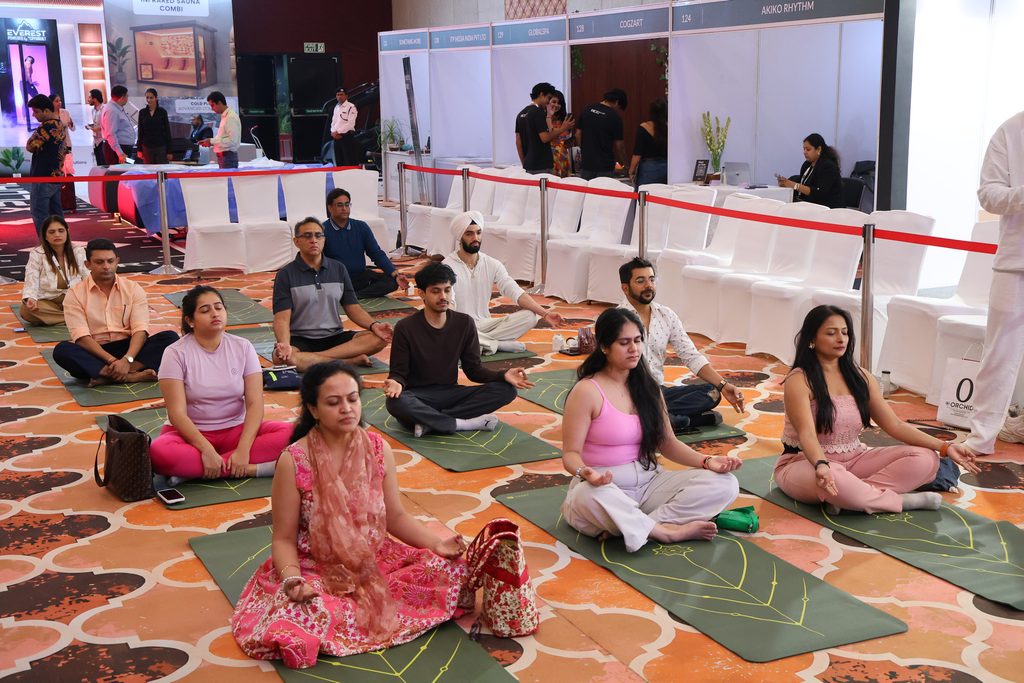
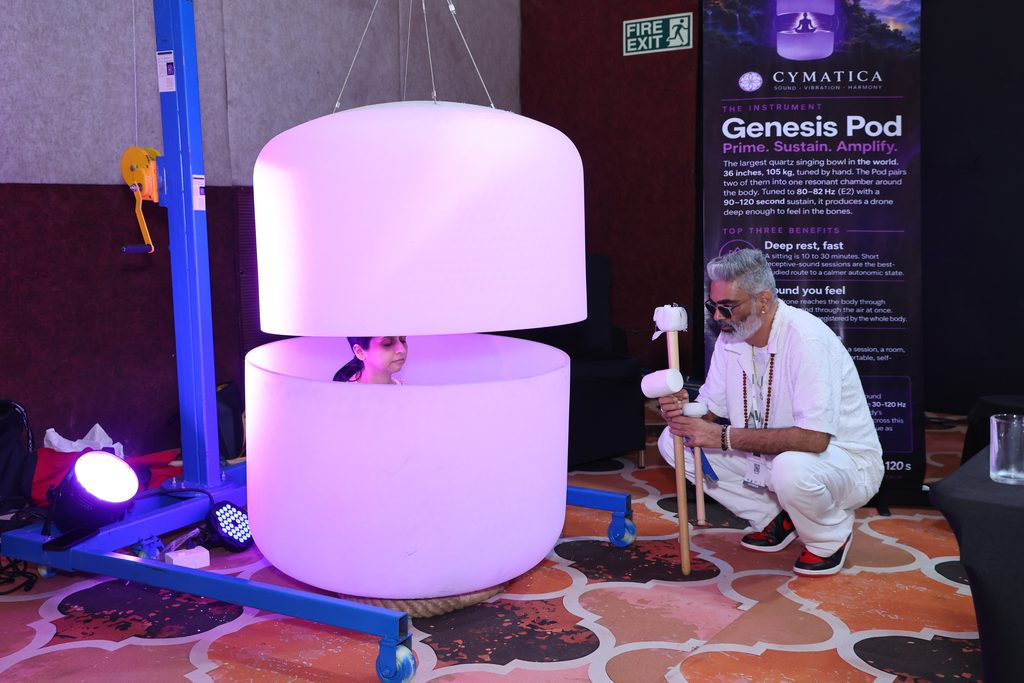
Experiential activities formed an important part of the two-day programme. Day 1 included an immersive listening journey, Tao Calligraphy Light Wall, Biodanza, a collective drum circle, a mindful mandala circle, chakra chanting and a cacao ritual. Day 2 featured breathwork and meditation, somatic movement, five-element sensory exploration, Vocal Yoga and a sensorial cacao ceremony.
These practitioner-led sessions were designed to introduce professionals to practices that could be adapted for hospitality, spa, fitness and workplace settings.
Farhat Jamal described Wellness Connect as an initiative that brings together different stakeholders shaping the sector. He also highlighted the potential of experience zones to showcase wellness innovation, support partnerships and open up new business opportunities in India.
Reena Sheth, Founder & Chief Wellness Strategist, GAIIA and Strategic Curator of Wellness Connect 2026, said, “Bringing hospitality, design, fitness and technology into the same conversation allowed us to ask practical questions. How do we design spaces that support wellbeing? How do we create programmes that people can carry into their daily lives?” She added that she hoped the conversations would lead to collaborations that make wellbeing more accessible and sustainable.
Vikas Vij, Managing Director, IDEX Events & Wellness Connect, said, “Wellness is no longer just an add-on to hospitality or a service category. It is becoming a business opportunity that cuts across industries, from hospitality and healthcare to fitness, design, nutrition, and technology.” He highlighted the need for these sectors to work together to translate wellness into viable businesses, meaningful experiences and lasting value.
Connecting The Wellness Ecosystem:
Wellness Connect 2026 brought together industry perspectives that are often discussed separately, placing business strategy, consumer needs, technology and experiential wellbeing within a shared conversation.
As wellness becomes more closely integrated into hospitality, healthcare, workplaces and everyday lifestyles, collaboration across these sectors will be important to its development. The conversations initiated at the Mumbai conference point to a broader question for the industry: how can wellness move from being an additional service to becoming an integral part of the way businesses operate and people experience everyday life?